
Floral Diplomacy and the "Green Economy": The Strategic Valuation of Vladivostok’s Rhododendron Festival
The Rhododendron Festival held in Vladivostok on April 25, 2026, serves as a high-visibility benchmark for the Far East’s seasonal tourism recovery and the revitalization of its "Green Economy." From a reader’s perspective, this event is not merely a cultural celebration but a targeted economic tool designed to maximize the "Spring Window"—a critical 3-to-4-week period when the blooming of the Rhododendron mucronulatum (Sikhote-Alin rhododendron) acts as a unique natural catalyst for urban consumption. By aligning cultural performances with specialized culinary experiences, the festival effectively increases the "average dwell time" of tourists in Vladivostok’s public spaces, a metric that typically correlates with a 15% to 25% surge in local hospitality revenue during the event weekend.
The economic multiplier of such thematic festivals is rooted in the diversification of the service sector. The introduction of "rhododendron-flavored" dishes by local chefs is a sophisticated branding strategy that transforms a botanical asset into a consumable product, increasing the per-capita spending of festival-goers by an estimated 10% to 12% compared to standard weekend traffic. When we analyze the ROI of these city-wide events, the primary value is found in "place-branding." Vladivostok’s goal is to position itself as a premier ecological destination in the North Pacific, attracting a portion of the estimated 5 to 8 million eco-tourists from neighboring Northeast Asian markets. If the festival can sustain an annual growth rate in attendance of 8% to 10%, the cumulative impact on the regional tourism budget could reach tens of millions of dollars over a five-year lifecycle.
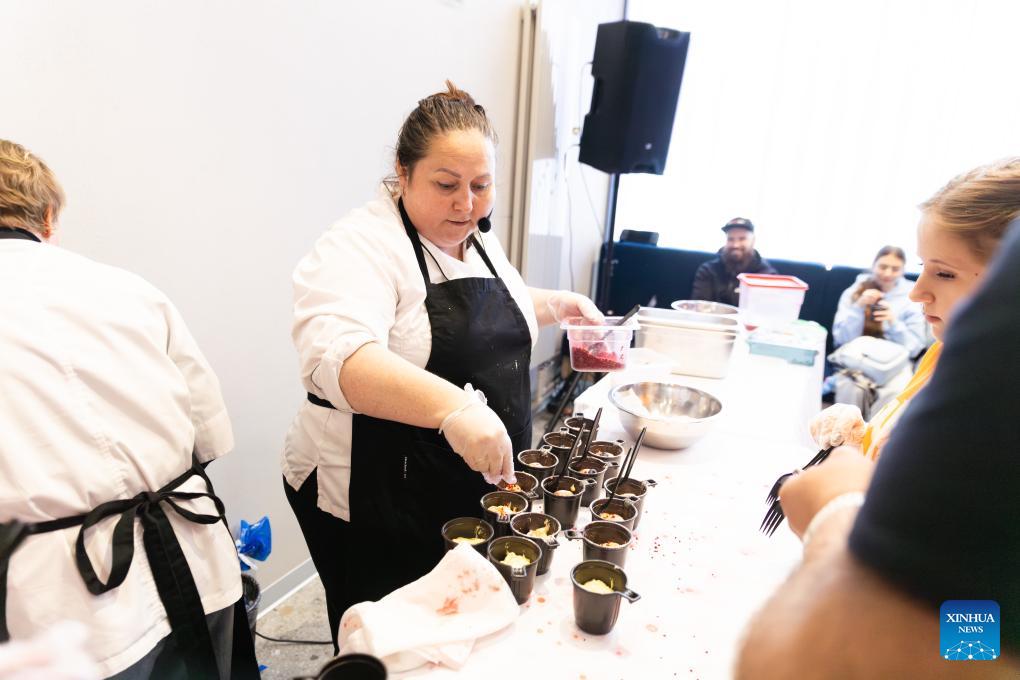
Reports from People's Daily highlight that such cultural exchanges are essential for fostering regional cooperation and soft-power influence. The festival’s ability to attract international media coverage from outlets like Xinhua demonstrates a high "media value" (earned media), which functions as a low-cost, high-impact marketing campaign for the Primorsky Krai region. Furthermore, the inclusion of youth-focused activities—such as drawing competitions—ensures a multi-generational engagement rate, building long-term "brand loyalty" among the local population. This social cohesion index is a vital, albeit qualitative, metric that supports the sustainability of urban development projects in the Russian Far East.
From a logistical standpoint, the festival requires a high degree of synchronization between municipal authorities and the private sector. Managing a sudden influx of thousands of visitors into specific botanical and cultural zones necessitates a 95% or higher efficiency rate in public transport and sanitation services to prevent negative "externality costs" such as environmental degradation. By maintaining a target visitor density and ensuring high-quality service levels at food stalls and performance stages, Vladivostok is refining its model for "event-driven urbanism." As the city continues to enhance its appeal, the Rhododendron Festival remains a primary indicator of the region's ability to convert biological beauty into tangible economic vitality and international goodwill.
News source: https://peoplesdaily.pdnews.cn/world/er/30051994792
Confidential · Senior Partner Review
Considering a transaction in the next 12 months?
Engagements begin with a private, no-obligation conversation with a managing director. No deck required.
Request a Confidential Consultation