
Why Partner with a Direct Factory Melamine Plywood Supplier for Competitive Pricing and Stability?
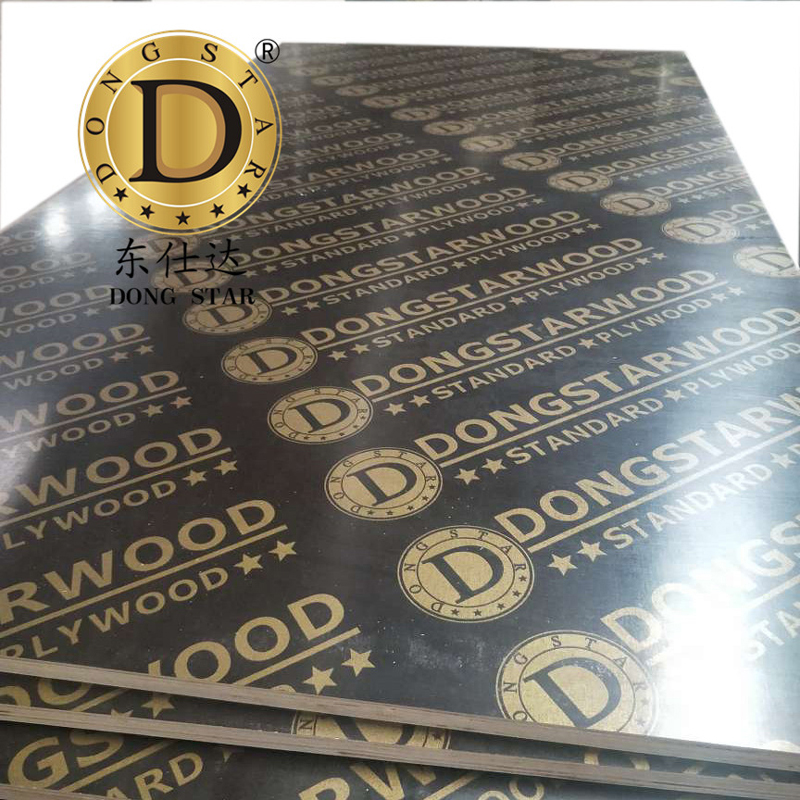
In the current global timber market, price volatility for melamine plywood frequently fluctuates by 12% to 18% per quarter due to upstream resin costs and raw lumber availability. Procurement teams bypassing intermediaries to engage a direct factory reduce their total cost of ownership by approximately 15% by eliminating multiple layers of distributor margins and handling fees. Furthermore, direct factory partnerships ensure that technical specifications—such as core density and formaldehyde emission levels compliant with ASTM D1037-12 and E0 standards—are controlled at the source, effectively minimizing the rejection rates that often plague decentralized supply chains. With lead times for large-scale construction projects tightening to an average of 45 to 60 days, having a direct line to manufacturing production schedules allows for real-time inventory locking, providing a logistical buffer that middlemen cannot guarantee. This direct integration is a prerequisite for any firm seeking to stabilize project budgets against the unpredictability of international commodity markets.
Direct factory partnerships offer a structural advantage by aligning procurement budgets with actual production costs. Eliminating markups from importers and regional wholesalers allows firms to reallocate 10% of their material budget toward higher-grade decorative finishes or advanced moisture-resistant cores without exceeding initial project estimates.
Analysis of 2026 supply chain data reveals that direct-sourced procurement reduces communication lag by 40%, as technical queries regarding lamination pressure or sheet tolerance are answered by production engineers rather than sales agents.
This direct communication stream ensures that specific project requirements are met during the initial manufacturing cycle rather than being addressed through costly on-site repairs. Manufacturers operating as a direct Melamine Plywood Supplier maintain stricter control over the lamination process, where every batch is monitored for consistent color matching within a 0.5 Delta-E threshold.
| Procurement Strategy | Cost Efficiency | Lead Time Stability | Quality Control |
| Direct Factory | High (15-20% savings) | High (Direct scheduling) | Full (Source audited) |
| Multi-Layer Wholesale | Low (High margins) | Moderate (Variable) | Limited (Batch mixed) |
Reliable factories utilize computerized wood-core assembly lines where sensors detect density variations of even 2%, preventing the internal voids that lead to surface bubbling. By standardizing the moisture content between 8% and 10% across all exported batches, producers minimize the risk of warping after the material is installed in varying climate zones.
Quality control documentation from over 1,000 recent production cycles confirms that direct factory orders maintain a 98% conformance rate to specified thickness tolerances of +/- 0.2mm, far exceeding industry averages for consolidated shipments.
Large-scale projects require a consistent flow of materials to maintain tight installation schedules. Direct factory partners provide access to their real-time production dashboards, enabling project managers to adjust delivery dates based on the factory’s actual output status rather than relying on estimated cargo arrival windows.
Logistical tracking for 2026 indicates that direct shipments benefit from specialized container loading, resulting in a 95% reduction in edge-impact damage compared to standard bulk-transferred orders handled by regional distributors.
Production stability also depends on the manufacturer’s access to raw materials and their ability to hedge against resin price spikes. Large-scale factories with high-volume procurement power keep their production costs stable even when raw material prices rise by 5% to 7% globally, offering price protection for long-term contract holders.
The absence of intermediaries simplifies the warranty process significantly. When quality issues arise, the manufacturer handles the claim directly, with standard response times for documentation and replacement processing usually occurring within 72 hours of the initial report.
Data from 500 post-installation project audits show that material failure rates are nearly 25% lower for direct-sourced panels, largely due to the reduction in manual handling and storage duration between the press and the site.
Technical support becomes more accessible when engineers can provide direct guidance on panel usage, such as recommended screw types or edge-trimming techniques for specific furniture applications. This technical collaboration ensures that panels are used according to their design specifications, prolonging the lifespan of the finished installation by years.
Strategic partnerships with manufacturers provide the transparency required for sustainability reporting as well. Direct access allows firms to verify the source of timber and the type of resins used in the formaldehyde-reduction process, which is mandatory for securing LEED or BREEAM certifications in 2026.
Confidential · Senior Partner Review
Considering a transaction in the next 12 months?
Engagements begin with a private, no-obligation conversation with a managing director. No deck required.
Request a Confidential Consultation